
Herbal Tea Recipes for Respiratory Health
Discover time-tested herbal tea blends and brewing techniques to support clear airways and healthy breathing. Learn from traditional wisdom and modern research.
Filter by Ingredient
Featured Herbal Tea Recipes
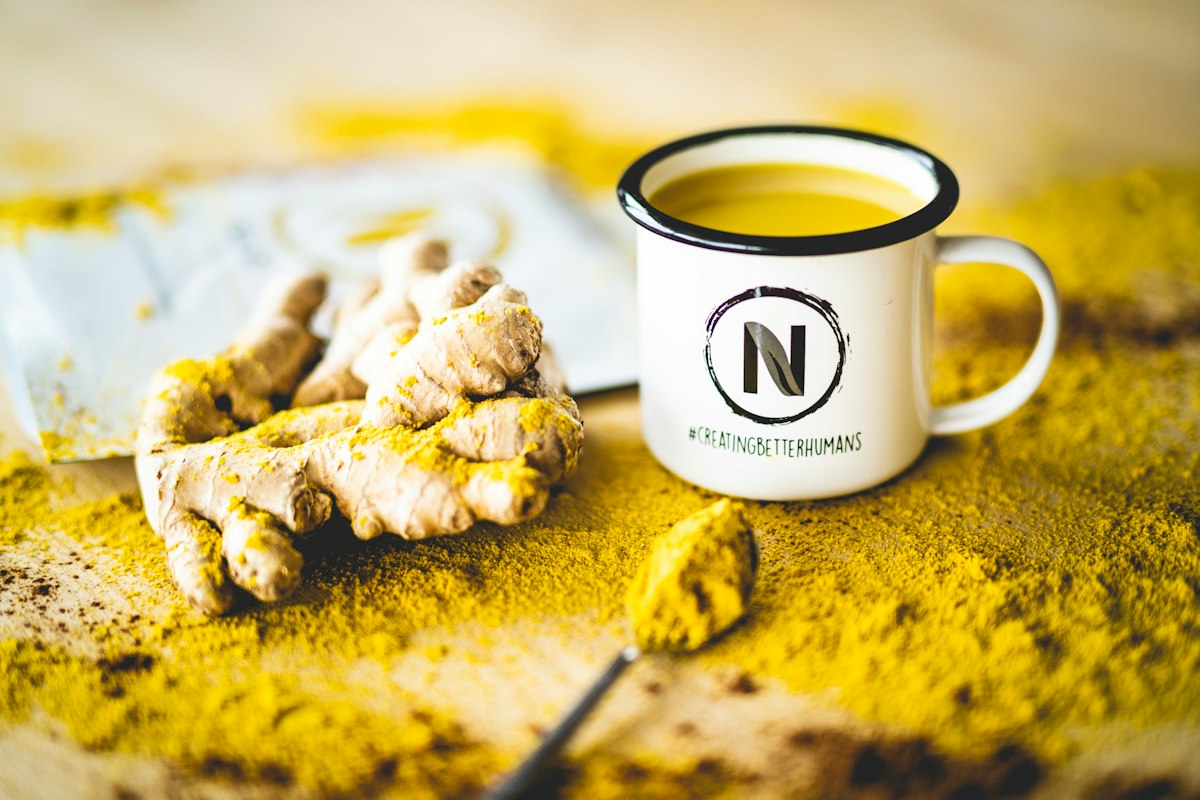
Thyme & Honey Respiratory Blend
A soothing combination of fresh thyme leaves and raw honey, traditionally used to ease throat irritation and promote clear breathing. The warm liquid helps relax airways and encourages natural respiratory comfort throughout the day.
Key Ingredients:
- • Fresh thyme sprigs
- • Raw honey
- • Warm water
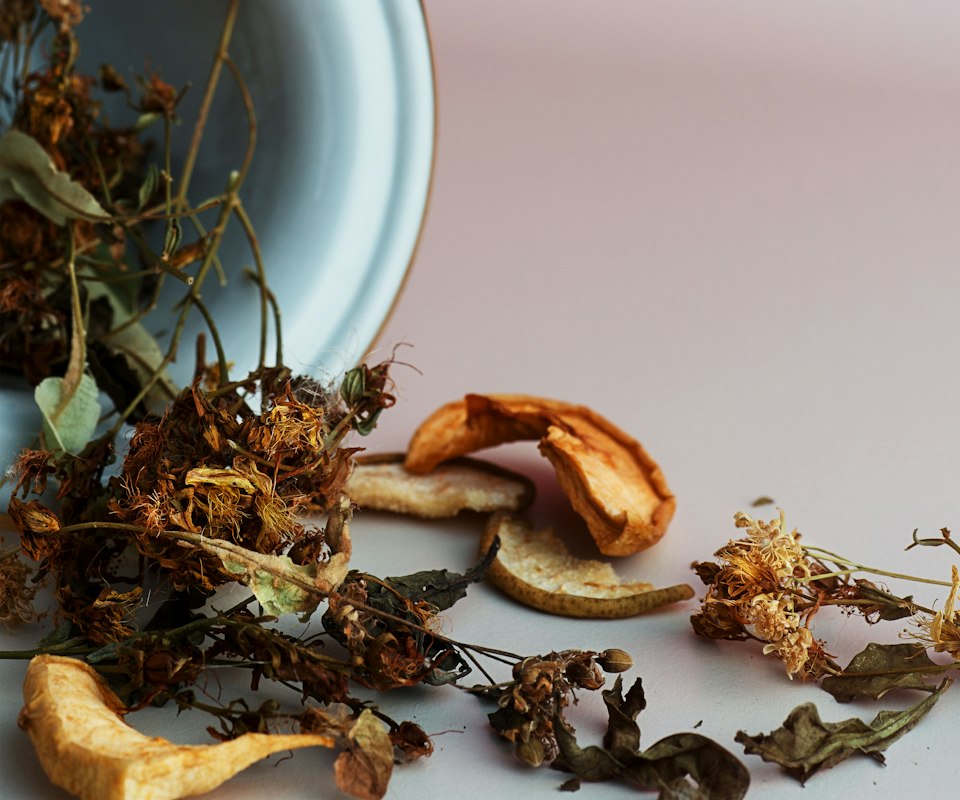
Peppermint & Ginger Clearing Tea
A refreshing blend combining cooling peppermint with warming ginger. This dynamic pairing helps open nasal passages and supports clear breathing. The natural oils in both plants create a tingling sensation that many find pleasantly invigorating.
Key Ingredients:
- • Fresh peppermint leaves
- • Fresh ginger root
- • Lemon juice
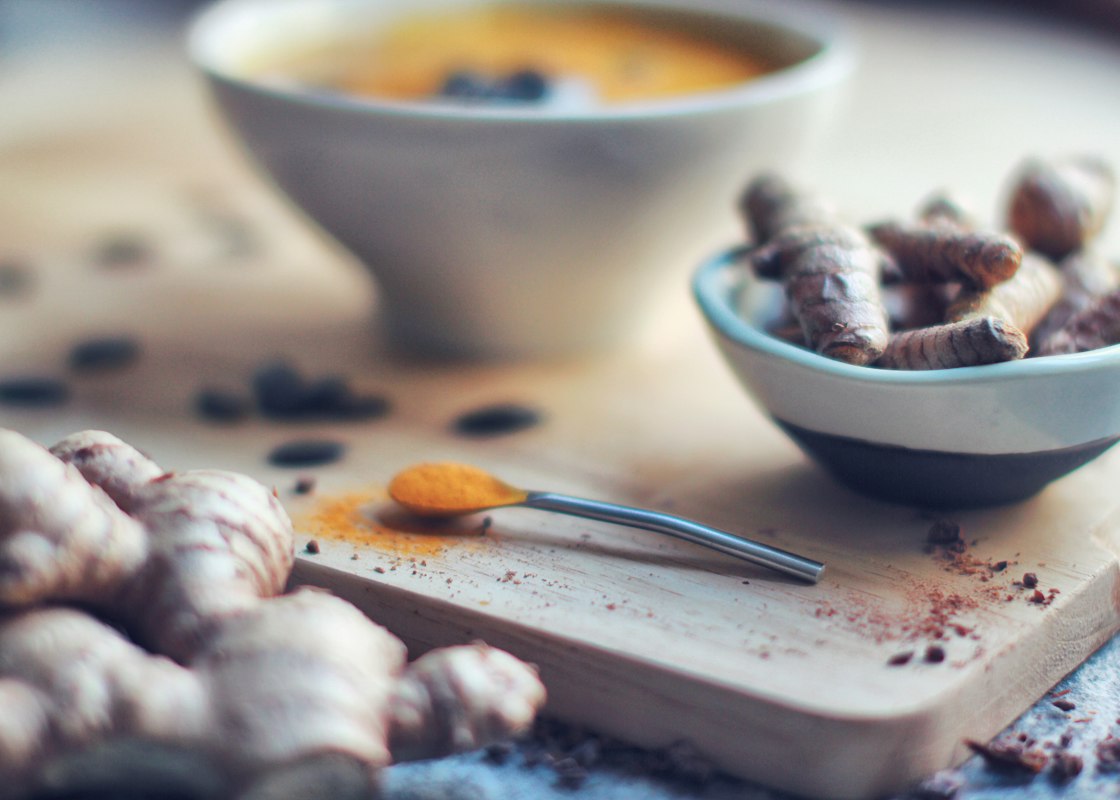
Chamomile & Lavender Relaxation Tea
A gentle, floral blend designed to calm the mind while supporting respiratory comfort. Both chamomile and lavender have been used for centuries to promote relaxation, making this tea ideal for evening consumption when you want to unwind.
Key Ingredients:
- • Dried chamomile flowers
- • Dried lavender buds
- • Honey to taste

Eucalyptus & Mint Breathe-Easy Tea
A potent clearing blend featuring the distinctive properties of eucalyptus combined with refreshing mint. This powerful combination is traditionally chosen during seasonal changes when respiratory support is most valued. Creates a crisp, clean flavor.
Key Ingredients:
- • Eucalyptus leaves
- • Fresh spearmint
- • Ginger slice

Licorice Root & Fennel Smoothing Tea
A naturally sweet blend pairing licorice root with fennel seeds. This combination is valued in traditional herbal practice for its soothing qualities and naturally sweet flavor without added sugar. The gentle warmth soothes while promoting respiratory ease.
Key Ingredients:
- • Licorice root pieces
- • Fennel seeds
- • Anise star
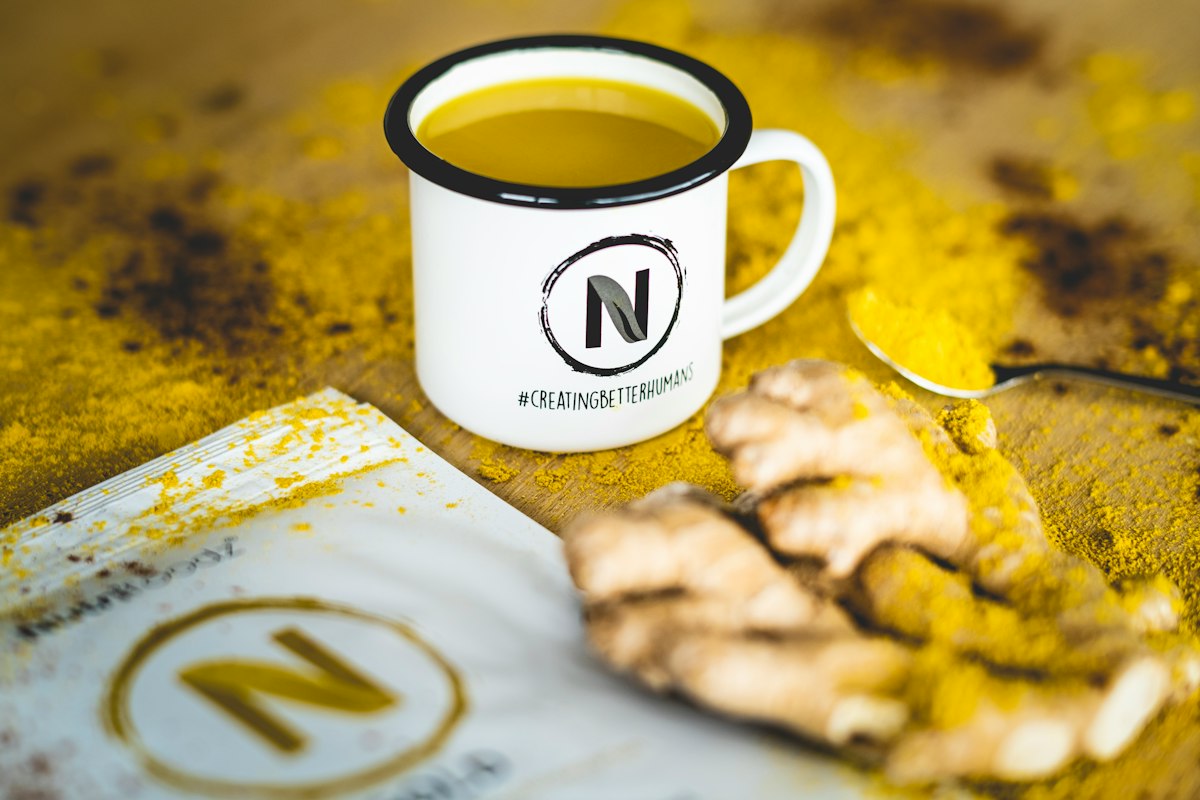
Turmeric & Black Pepper Golden Tea
A warm, earthy blend combining bright turmeric with black pepper to enhance absorption. This golden tea has been valued across cultures for its robust flavor and traditional use in daily wellness routines. Best enjoyed with a touch of honey and milk.
Key Ingredients:
- • Turmeric powder
- • Freshly ground black pepper
- • Coconut milk
How to Brew Perfect Herbal Teas
Choose Quality Ingredients
Source fresh or dried herbs from reputable suppliers. Fresh herbs provide stronger flavors and aromas, while dried herbs offer longer shelf life and year-round availability. Store in cool, dark containers away from direct sunlight.
Use Water at the Right Temperature
Most herbal teas prefer water between 160–180°F (70–80°C). Boiling water can over-extract delicate flavors and destroy beneficial compounds. Use freshly heated water rather than reheated water for the best taste and aroma.
Steep for the Ideal Duration
Herbal teas typically require 5–10 minutes of steeping. Shorter times yield lighter flavors; longer times create stronger infusions. Leaves and roots may need 8–10 minutes, while flowers and delicate herbs do well in 5–7 minutes.
Measure Correctly
A general rule is one teaspoon of dried herbs or one tablespoon of fresh herbs per 8 ounces of water. Adjust to your preference—use less for subtle flavors, more for stronger brews. Adjust ratios based on ingredient potency.
Strain and Serve Fresh
Remove all plant material through fine mesh strainers or infuser baskets to prevent over-steeping. Herbal teas are best enjoyed immediately after brewing while flavors and aromas are at their peak.
Store Leftovers Properly
Fresh tea can be refrigerated in glass containers for up to 3 days. For longer storage, freeze in ice cube trays and thaw as needed. Dried herbs stored in sealed containers maintain quality for 6–12 months in cool conditions.
Stay Updated with New Recipes
Subscribe to receive new herbal tea recipes and breathing wellness tips delivered to your inbox.
Frequently Asked Questions
The most commonly used herbs in respiratory tea blends include thyme, peppermint, ginger, eucalyptus, licorice root, and turmeric. Thyme is valued for its traditional use in clearing airways, peppermint provides cooling relief and opens nasal passages, while ginger adds warming properties. Each herb brings unique benefits, and combining them creates well-rounded blends. Your choice depends on personal preference and which flavors you enjoy most.
Yes, fresh herbs work wonderfully in tea. Use approximately three times the amount of fresh herbs compared to dried herbs, since fresh herbs have higher water content. Fresh herbs typically steep for the same duration as dried ones but may offer brighter, more vibrant flavors. If harvesting from your own garden, ensure they haven't been treated with pesticides. Fresh herbs are especially good for mint, peppermint, and chamomile when available.
Most people find one to three cups daily works well as part of their regular routine. Many enjoy a cup in the morning to start the day, another mid-afternoon, and possibly one in the evening. Listen to your body and adjust frequency based on your preferences. Some prefer seasonal use during months when respiratory support is most valued, while others enjoy herbal tea year-round. Consistency over time is often more beneficial than occasional high consumption.
Quality herbs can be found at local farmers markets, health food stores, and online herbal suppliers. In the Philippines, markets often have fresh mint, ginger, and lemongrass. Look for herbs that are vibrant in color, have strong aromas, and show no signs of mold or damage. Organic options are available but not strictly necessary. Building relationships with local herb sellers ensures you know the source of your ingredients and can ask questions about freshness and quality.
Absolutely. Experimenting with combining different herbs creates personalized blends. Many people enjoy mixing thyme with honey, adding ginger for warmth, or blending chamomile with peppermint for a balanced flavor profile. Start by mixing small amounts to test the flavors before committing to larger batches. Keep notes on what combinations you enjoy so you can recreate favorites. Personal preferences guide the best blends—what works beautifully for one person might differ from another.
Most culinary herbs are safe for regular tea use. However, certain individuals may have sensitivities—for example, some people react to chamomile if they have ragweed sensitivities. Licorice root should be limited for those monitoring sodium intake. When trying a new herb for the first time, use small amounts to gauge your personal response. If you have concerns about specific herbs based on your individual circumstances, consult with a healthcare provider. Generally, the herbs featured in our recipes are mild and widely enjoyed.
Begin Your Herbal Tea Journey
Explore our complete collection of recipes, brewing guides, and wellness articles. Discover how simple herbal preparations can become part of your daily routine for clearer, easier breathing.
Explore All Recipes