Breathe Easy: Master Herbal Tea Blending for Respiratory Wellness
Discover the art of crafting powerful herbal tea blends using nature's most beneficial plants. Learn proven methods to support healthy breathing and enhance your daily wellness routine with thyme, mint, ginger, chamomile, and more.
Your complete guide to understanding how traditional herbal remedies work and how to prepare them safely at home.
Essential Herbs for Lung Health Visual Guide
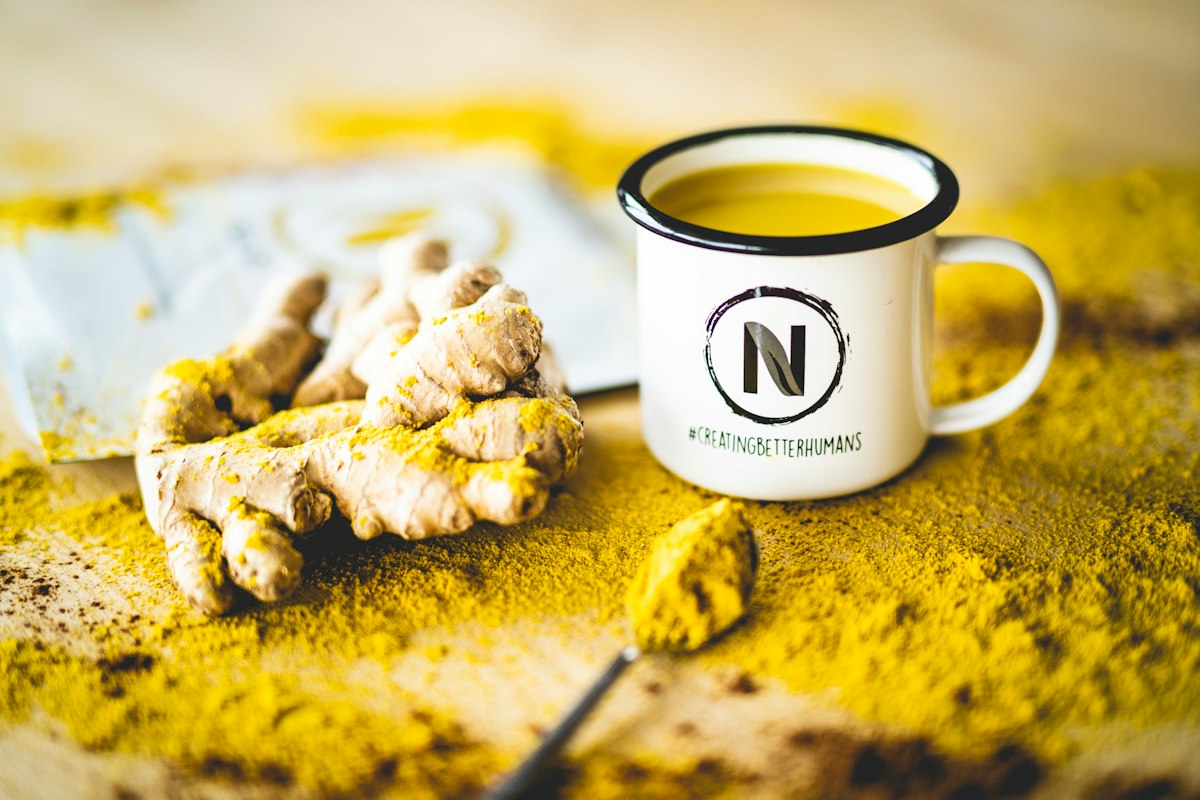
Thyme
This Mediterranean herb contains compounds that have been traditionally used to support clear airways. Thyme is one of the most researched herbs for respiratory wellness. When brewed as a tea, it offers a warm, earthy flavor that blends beautifully with other herbs in your daily wellness routine.
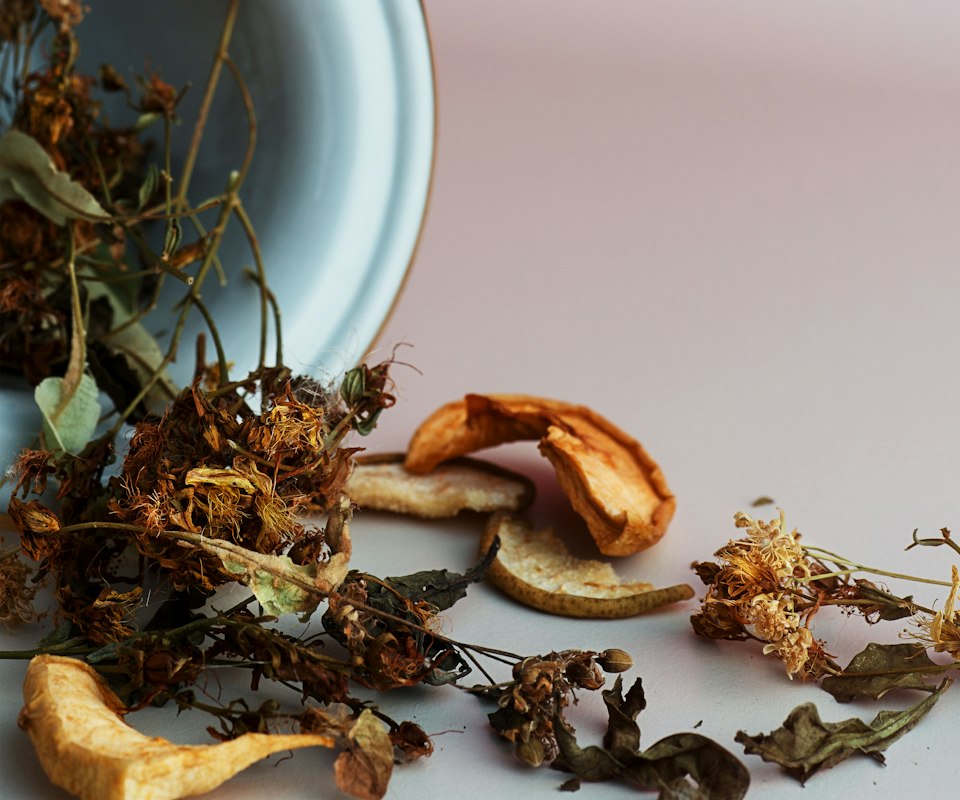
Peppermint
Known for its cooling, refreshing properties, peppermint has been valued across many cultures for supporting respiratory comfort. The menthol it contains naturally creates a soothing sensation when inhaled as steam or sipped as a warm tea. It pairs excellently with other herbs and adds a pleasant, crisp taste to your blends.
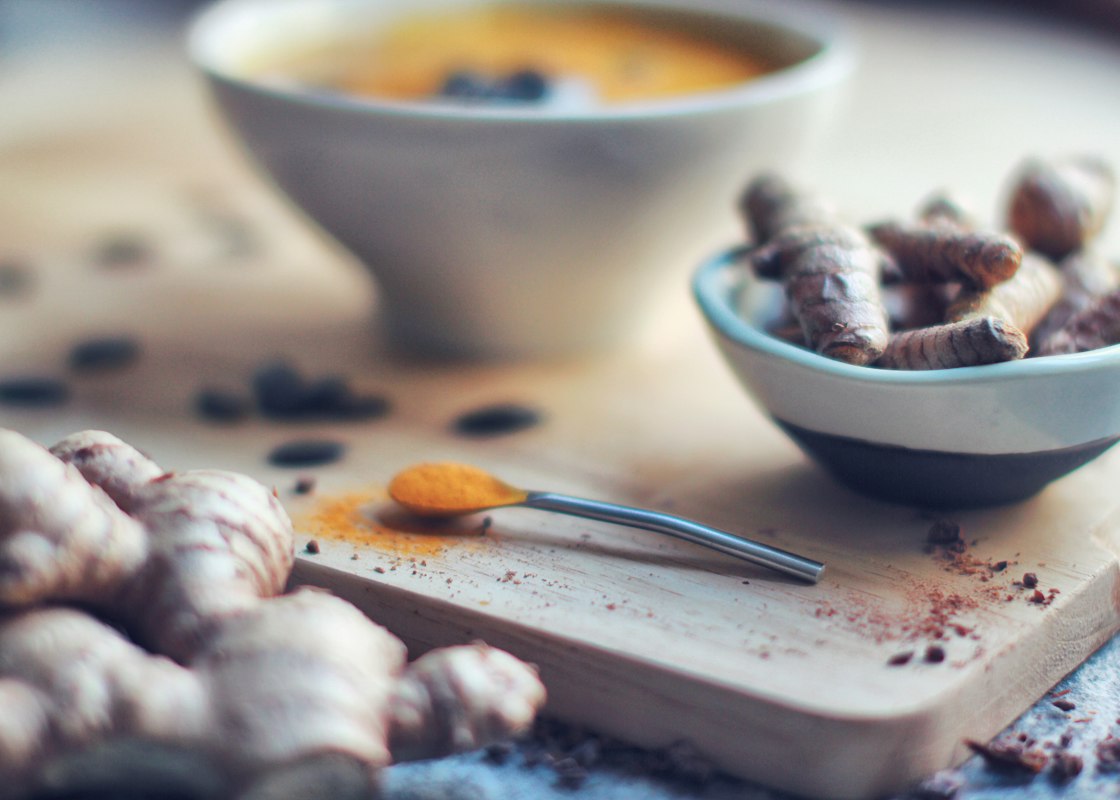
Ginger
This warming root has played a central role in traditional wellness practices for thousands of years. Ginger contains powerful natural compounds and adds a spicy, invigorating note to herbal tea blends. Regular consumption of ginger tea can support your body's natural response to environmental challenges.

Chamomile
This delicate flower is prized for its calming properties and gentle flavor. Chamomile helps create a soothing atmosphere for your respiratory wellness routine and pairs beautifully with more robust herbs. Many people enjoy chamomile-based blends in the evening as part of their bedtime routine.

Elderflower
Elderflower has been used in traditional European wellness practices for generations. These delicate flowers add a subtle floral sweetness to tea blends while providing aromatic support. Elderflower tea is often recommended during seasonal changes when respiratory support is especially welcome.
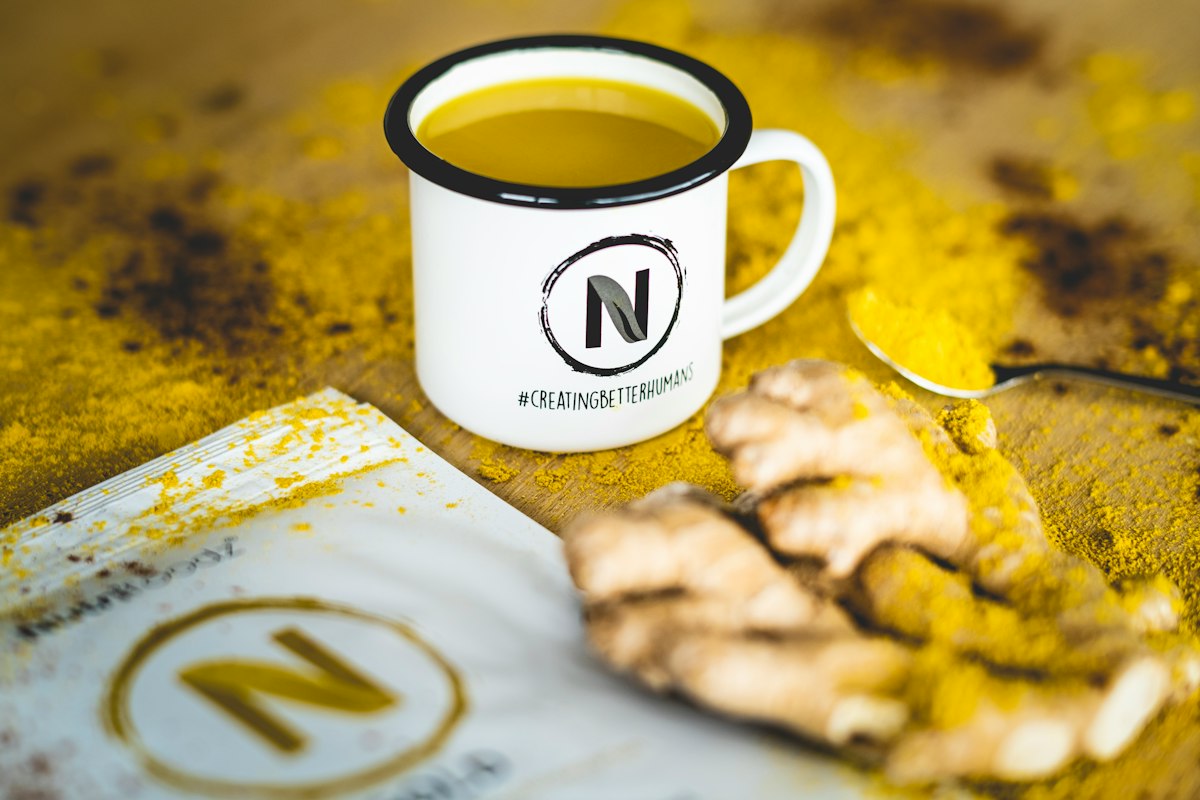
Eucalyptus
This powerful Australian native plant is renowned for its intense aromatic properties. Eucalyptus leaves contain natural compounds that create an opening, refreshing sensation ideal for respiratory wellness. Use eucalyptus sparingly in blends—a little goes a long way to create an invigorating cup.
4-Step Tea Preparation Method
Select and Measure Your Herbs
Begin by choosing your dried herbs based on the respiratory support profile you want to create. A typical serving uses about one teaspoon of mixed herbs per cup of water. Be intentional about your selections—different combinations create different flavor profiles and aromatic experiences. Store your chosen herbs in glass containers away from direct sunlight to maintain their potency and freshness over time.
Heat Water to the Right Temperature
Water temperature matters significantly for extracting the beneficial compounds from your herbs. For most respiratory support herbs, water heated to 200-212°F (just below or at boiling point) works best. Allow fresh water to come to a rolling boil, then let it cool slightly if you prefer a gentler brewing temperature. Never use previously boiled water, as it contains less oxygen and won't extract herbs as effectively.
Brew with Patience and Attention
Pour the hot water over your measured herbs in a teapot or infuser and cover to retain the beneficial steam and aromatic compounds. Most respiratory herb blends need 5-7 minutes of steeping to properly release their compounds. Delicate flowers like chamomile or elderflower may need less time, while tougher roots like ginger benefit from longer steeping. Cover your cup while it brews to prevent the loss of volatile oils that carry much of the beneficial effect.
Strain, Enjoy, and Observe
Carefully strain your tea into a cup, pressing gently on the herbs to release their final essences but without crushing them into fine particles. Sip your tea slowly, breathing in the aromatic steam that carries volatile compounds directly to your respiratory system. Take time to notice the flavor, warmth, and how your body responds. Many people find that the mindful ritual of preparing and drinking herbal tea is as beneficial as the herbs themselves.
Key Benefits of Each Herbal Blend
Supports a Feeling of Clear Airways
Thyme, eucalyptus, and peppermint work together to create a naturally opening effect. When brewed properly, these herbs release aromatic compounds that create a fresh, clear feeling in your airways. The menthol from peppermint combines with thymol from thyme to deliver a powerful aromatic experience that many people notice immediately upon sipping.
Natural Inflammatory Response Support
Ginger, turmeric (if added), and thyme contain compounds that help your body manage its natural responses to environmental challenges. These herbs have been studied for their role in supporting healthy inflammatory responses. Regular consumption as part of a daily wellness routine may help your respiratory system maintain optimal function year-round.
Immune System Fortification
Elderflower, ginger, and chamomile are all traditionally used to support overall immune function. These herbs work best when consumed regularly as part of your daily wellness practice. The combination of warm tea, aromatic compounds, and beneficial plant constituents creates a comprehensive approach to supporting your body's natural defenses.
Relaxation and Wellness Integration
Chamomile and mild blends create a calming ritual that integrates respiratory wellness into your daily routine. The act of preparing and mindfully consuming herbal tea triggers relaxation responses in your nervous system. When combined with the herbal benefits themselves, this creates a holistic approach to respiratory and overall wellness.
Discover Proven Herbal Tea Recipes
Our complete collection of tested herbal blends shows you exactly how to combine these powerful herbs for maximum respiratory support.
Browse Our RecipesCommon Questions About Herbal Respiratory Teas
Most people benefit from drinking herbal tea once or twice daily as part of their wellness routine. Morning and evening are popular times—morning tea provides a fresh start to your day, while evening tea can support relaxation before bed. However, the ideal frequency depends on your personal preferences and how your body responds. Some people prefer daily consumption, while others enjoy it several times per week. Listen to your body and adjust accordingly. It's better to drink herbal tea consistently at a frequency you can maintain than to drink it sporadically in large amounts.
Mixing different herbs is not only possible—it's encouraged! In fact, many traditional herbal tea blends combine multiple herbs to create synergistic effects where the combination is more beneficial than individual herbs alone. A classic blend might combine thyme for respiratory clarity, peppermint for freshness, ginger for warmth, and chamomile for balance. Start with simple combinations of 2-3 herbs, and as you become more familiar with how each herb tastes and affects you, you can experiment with more complex blends. Use equal parts of each herb unless you have a specific reason to emphasize one over another. Keep notes on what works best for you and your respiratory system.
Quality dried herbs are essential for creating effective respiratory teas. Look for herbs from reputable suppliers who can provide information about sourcing, drying methods, and storage. Local health food stores, organic markets, and online herbalists often offer high-quality dried herbs. When purchasing, look for vibrant color, strong aroma, and proper storage in dark glass containers or kraft paper bags. Avoid herbs that smell musty or look faded, as this indicates poor storage or age. Many people grow their own herbs and dry them at home for maximum freshness and control. If you choose this route, harvest herbs in the morning after dew has dried, and hang-dry them in bundles in a warm, dark, well-ventilated space.
While most culinary and tea herbs are safe for regular consumption, some precautions apply. Avoid herbs that you're unfamiliar with or haven't researched thoroughly. Some powerful herbs like comfrey or coltsfoot were traditionally used for respiratory support but are now considered safer for external use only. If you're pregnant, nursing, taking medications, or have specific health concerns, research herb-drug interactions before adding new herbs to your routine. Start with well-known, mild herbs like chamomile and peppermint before experimenting with stronger herbs. If you experience any unusual reactions—dizziness, headaches, stomach upset—discontinue use immediately. Keep a journal of which herbs you use and how you respond to them over time.
Fresh herbs can absolutely be used to make respiratory tea, though they require different handling than dried herbs. Since fresh herbs contain more water, you'll need to use about three times the amount of fresh herb compared to dried. For example, use three teaspoons of fresh herbs where you'd use one teaspoon of dried. Fresh herbs like mint, thyme, and ginger from your garden can create wonderfully aromatic teas with vibrant flavors. The steeping time may be slightly longer with fresh herbs—aim for 7-10 minutes rather than 5-7. Fresh tea has a different character than dried tea; some people prefer the lighter, fresher taste, while others find dried herbs create a more concentrated, warming effect. Experiment with both to see which you prefer.
Properly stored dried herbs maintain their potency for about one to three years, depending on the herb and storage conditions. The most important factors are keeping them in airtight containers, protecting them from light, maintaining a cool temperature, and keeping them away from moisture and strong odors. Glass jars with tight-sealing lids work best; avoid plastic containers that can leach chemicals or absorb odors. Store your herbal collection in a cool, dark cabinet away from your stove and direct sunlight. Label each container with the herb name and the date you purchased or dried it. Over time, dried herbs lose their color and potency, so using them within a year of purchase or drying ensures maximum benefit. Even after their ideal window, older dried herbs are generally safe—they simply become less aromatic and potent.
What Our Readers Say About Their Experience
"After reading the guides on HerbalBreathGuide, I started experimenting with thyme and ginger blends. I never realized how much I could customize my tea to exactly what I need. The detailed brewing instructions made all the difference—I was steeping incorrectly before. Now my morning routine includes a carefully prepared herbal tea, and I genuinely feel the difference in how I breathe. The article about seasonal herb combinations has completely changed how I approach respiratory wellness through the year."
Maria Santos
Davao, Philippines
"I've always been interested in natural approaches to health, but I didn't know where to start with herbal teas. HerbalBreathGuide breaks everything down so clearly—from selecting herbs to understanding why each ingredient matters. The visual guide showing different herbs was incredibly helpful. I followed their recommendations for creating a balanced blend and was amazed at how pleasant it tastes while being genuinely beneficial. This has become a cornerstone of my daily wellness practice."
Robert Chen
Cebu, Philippines
"What I love most about this guide is that it respects my intelligence and doesn't make exaggerated claims. The articles explain the science behind each herb without overselling what herbal tea can do. As someone who prefers natural approaches, I appreciate the balanced, honest perspective. The FAQ section answered questions I didn't even know I had, especially about herb storage and sourcing. I've recommended these guides to all my friends who are interested in herbal wellness."
Alexandra Reyes
Manila, Philippines
"I inherited my grandmother's interest in herbal remedies but had lost the knowledge of how to actually make proper tea. This guide brought it all back—or taught me the correct way to do what my grandmother did intuitively. The step-by-step brewing method is perfect. I now make tea the way it should be made, and I can taste the difference. Every article feels like it's written by someone who genuinely cares about teaching this skill properly rather than selling a product."
Javier Morales
Bacolod, Philippines
Limited Time: Free Herbal Tea Blending Guide
Subscribe to receive our complete guide to creating custom herbal blends tailored to your respiratory wellness needs. Get immediate access plus exclusive articles on seasonal tea preparation and herb combinations.
We respect your privacy. Unsubscribe anytime.
Ready to Transform Your Respiratory Wellness?
Your journey to better breathing through herbal tea starts with knowledge and intentional practice. We've created comprehensive guides that cover everything from herb selection to advanced blending techniques. Whether you're a complete beginner or looking to deepen your herbal knowledge, our resources will support your practice.
- Step-by-step brewing instructions for perfect extraction
- Detailed profiles of 12+ respiratory support herbs
- Seasonal blend recommendations and combinations
- Science-backed information about how each herb works
Never Miss a New Guide
Join our community of herbal wellness enthusiasts and receive notifications about new articles, seasonal recipes, and herb sourcing tips.